Does Quartz Stain, Crack, or Burn? What You Should Actually Expect
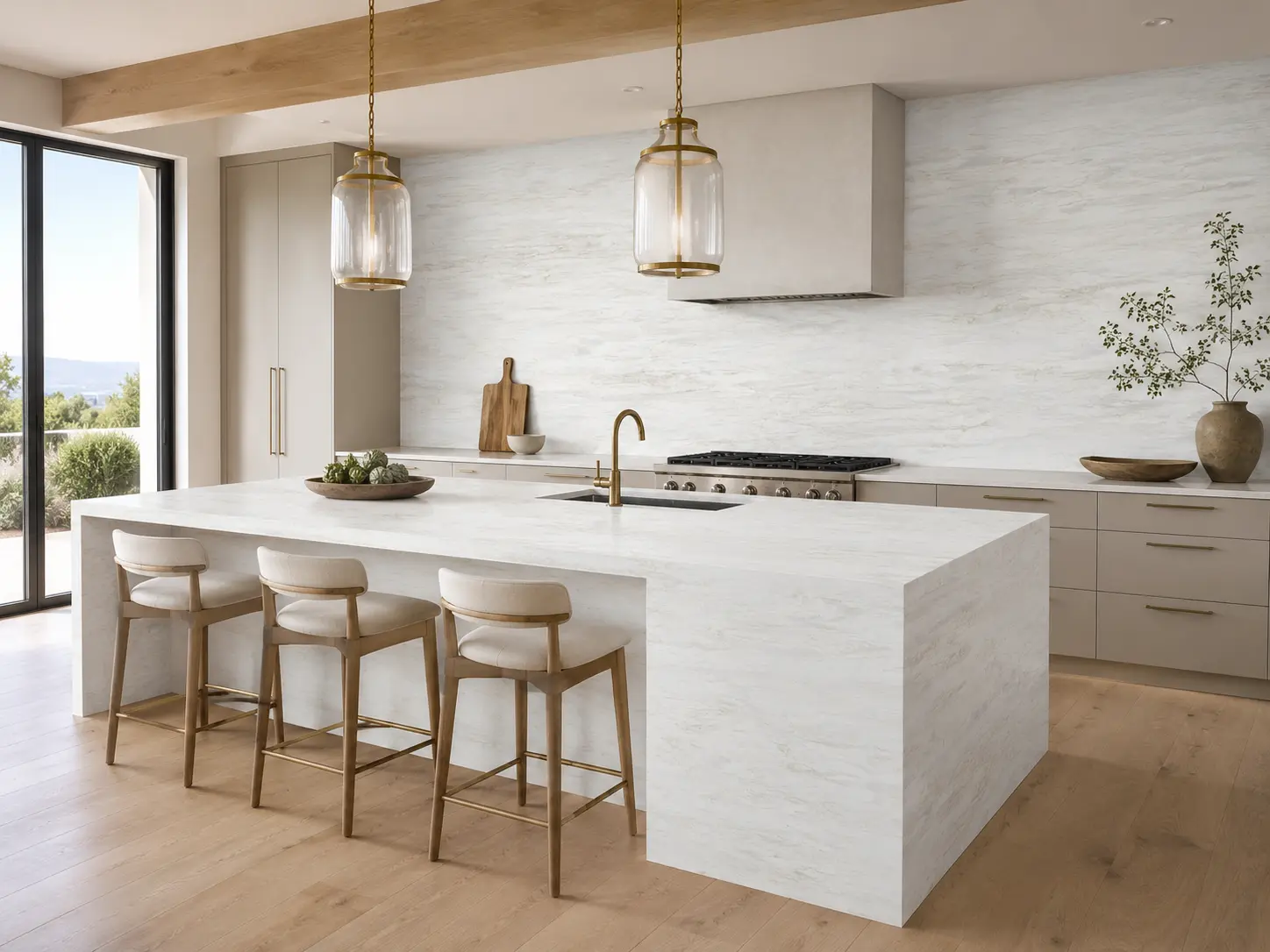
Quartz is often chosen for its clean look, dependable performance, and low-maintenance appeal. Still, one of the most common questions homeowners ask before making a final selection is this: does quartz stain crack or burn?
The honest answer is that quartz performs exceptionally well in everyday kitchens, but it is not indestructible. Like any premium surface, it has strengths, limitations, and best practices that help protect its appearance over time. If you are considering quartz for a kitchen, bathroom, or other high-use space, here is what you should realistically expect from this engineered stone surface.
Quartz Countertop Durability in Real Life
Quartz is engineered for consistency, durability, and everyday practicality. Made from natural quartz particles combined with resins and pigments, it offers a refined appearance with reliable performance in busy interiors.
For many homeowners, quartz is appealing because it resists many of the common issues people worry about with countertops. It is generally:
- non-porous
- resistant to everyday staining
- less prone to etching than many natural stones
- easy to clean and maintain
- well-suited for kitchens and bathrooms
That said, quartz countertop durability depends on how the surface is used day to day. Heat, heavy impact, and neglect can still cause damage over time.
Does Quartz Stain?

In most cases, quartz is highly stain resistant. Because it is non-porous, common kitchen spills are far less likely to soak into the surface compared to more porous materials.
What quartz usually resists well
Quartz typically handles everyday messes such as:
- coffee
- wine
- juice
- oil splatter
- sauces
- makeup or toiletries in bathrooms
If spills are cleaned up within a reasonable amount of time, staining is usually not a concern. This is one of the main reasons homeowners searching do quartz countertops stain often end up choosing quartz for family kitchens and high-traffic spaces.
What can still leave marks on quartz
Even though quartz is stain resistant, it is not completely immune to discoloration. Certain substances can leave residue or surface staining if they sit too long or are not cleaned properly, including:
- permanent markers
- harsh chemicals
- paint
- strong dyes
- some cleaning products with bleach or high alkalinity
In many cases, what looks like a deep stain is actually buildup on the surface rather than penetration into the slab. Gentle, routine cleaning is usually enough to keep quartz looking polished and fresh.
Can Quartz Crack?

Quartz is durable, but yes, it can crack under the right conditions. The better question is not whether it can crack at all, but what actually causes it.
Common causes of quartz cracking
Most quartz cracks are not random. They are usually linked to one of the following:
Heavy impact
A dropped cast iron pan, a sharp hit on an edge, or concentrated force in one spot can damage the slab. Corners, cutouts, and unsupported spans are the most vulnerable areas.
Improper installation
A well-fabricated and properly installed quartz countertop should perform beautifully for years. But if the surface lacks support, has uneven cabinetry beneath it, or is poorly handled during installation, cracking becomes more likely.
Structural stress
Homes naturally shift over time, and cabinets can settle. If pressure points develop underneath the slab, that ongoing stress may eventually affect the surface.
For homeowners asking can quartz countertops crack, the realistic answer is yes, but in a properly fabricated and installed application, cracking is not a routine issue. Quality material selection and professional installation matter just as much as the slab itself.
Can Quartz Burn?
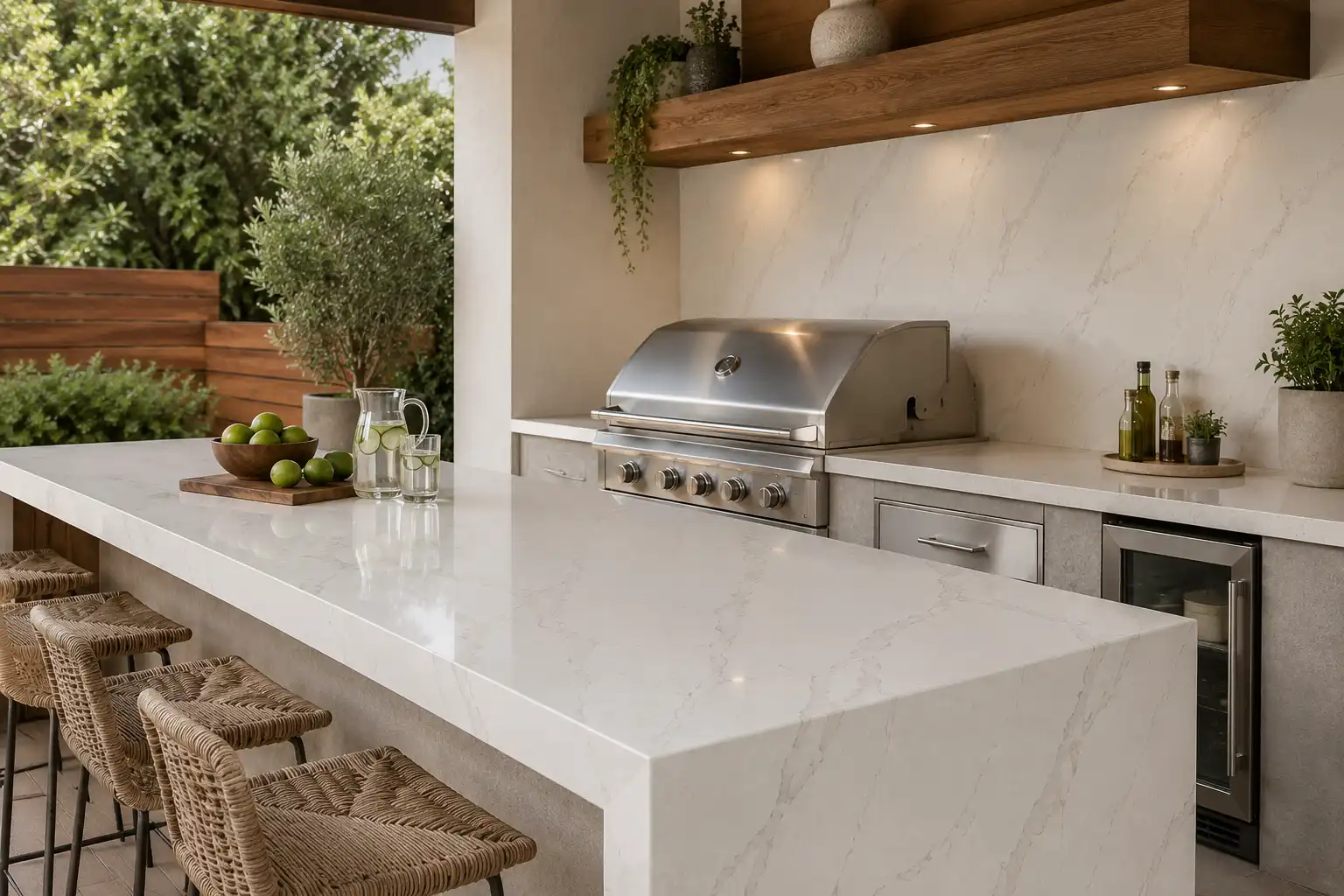
This is where expectations need to be especially clear. Quartz is not a surface you should treat as heatproof.
Understanding quartz heat resistance
Quartz can tolerate normal everyday kitchen conditions, but excessive heat can damage it. Because quartz contains resin binders, sudden or extreme heat exposure may cause:
- discoloration
- scorch marks
- surface dulling
- thermal shock
- cracking in severe cases
So while people often search can quartz countertops burn, the more accurate way to frame it is that quartz can be damaged by heat even if it does not burn in the way wood or other materials do.
What heat exposure is risky?
The most common problem comes from placing hot cookware directly on the surface, especially:
- pans straight off the stove
- Dutch ovens
- baking trays from the oven
- countertop appliances that trap heat underneath
Trivets and hot pads are the best habit here. They are a simple step that protects the finish and helps preserve the long-term beauty of the slab.
What Causes Long-Term Damage to Quartz Countertops?
Quartz is designed for longevity, but long-term condition depends on consistent care and realistic use.
Habits that help preserve quartz
A quartz surface tends to age beautifully when homeowners follow a few simple practices:
- wipe spills promptly
- use a cutting board instead of cutting directly on the surface
- place hot items on trivets or pads
- use gentle, non-abrasive cleaners
- avoid harsh chemical exposure
- do not stand or sit on countertop overhangs
Habits that shorten the life of quartz
Repeated misuse is what usually leads to visible wear. The most common culprits include:
- repeated direct heat exposure
- abrasive scrubbing pads
- chemical cleaners not intended for stone surfaces
- impact near corners or sink cutouts
- poor support beneath overhangs or seams
When homeowners follow basic quartz countertop maintenance habits, quartz remains one of the most practical premium surfaces available for kitchens and bathrooms.
Quartz vs Everyday Kitchen Demands

For many homes, quartz strikes an ideal balance between style and performance. It offers the elevated look people want from a premium slab while making daily care feel straightforward.
Why quartz remains a popular choice
Quartz is especially well suited for homeowners who want:
- a polished, design-forward look
- low daily maintenance
- strong stain resistance
- consistent patterning and color
- a surface that works beautifully in modern kitchens and bathrooms
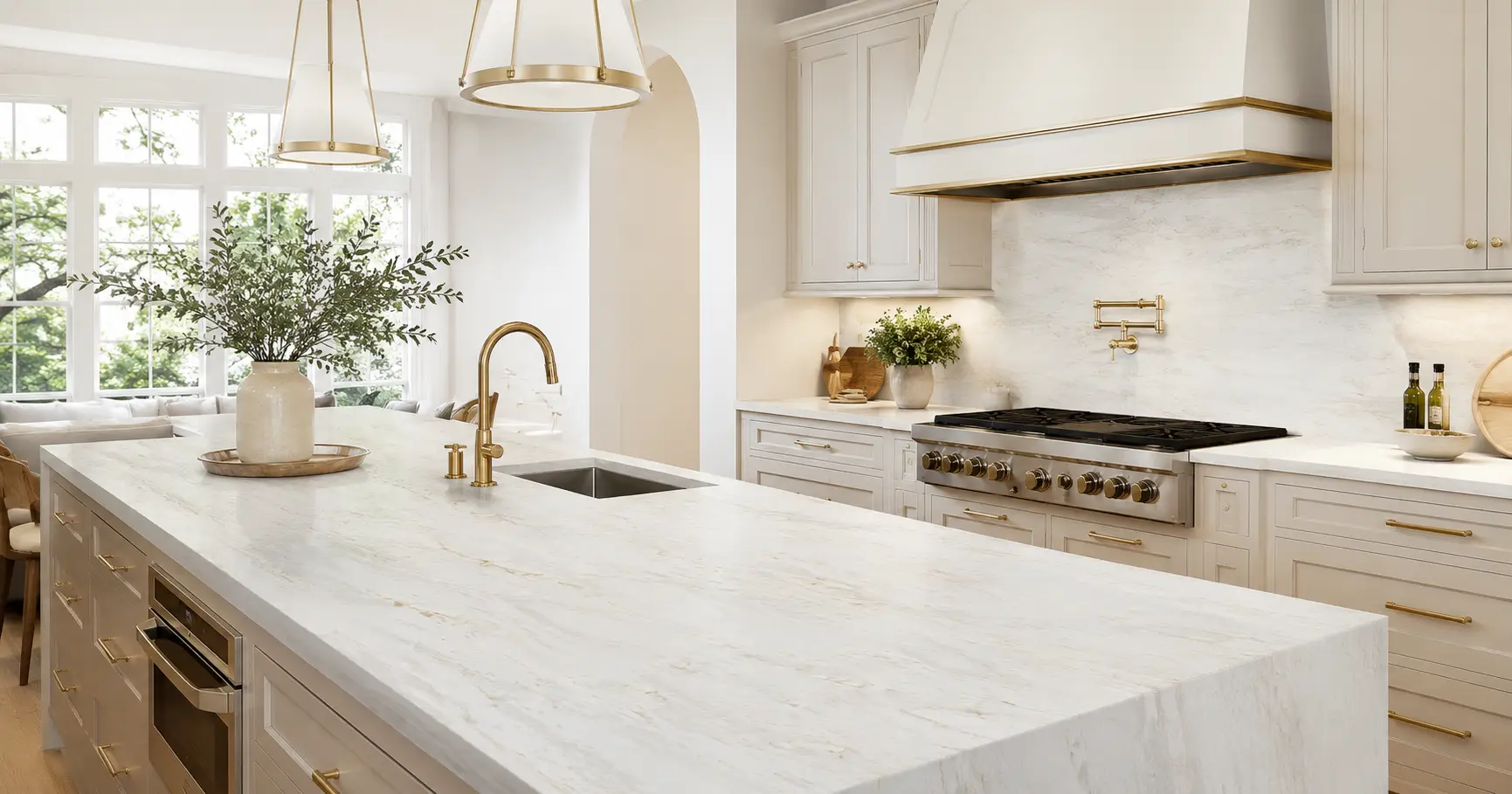
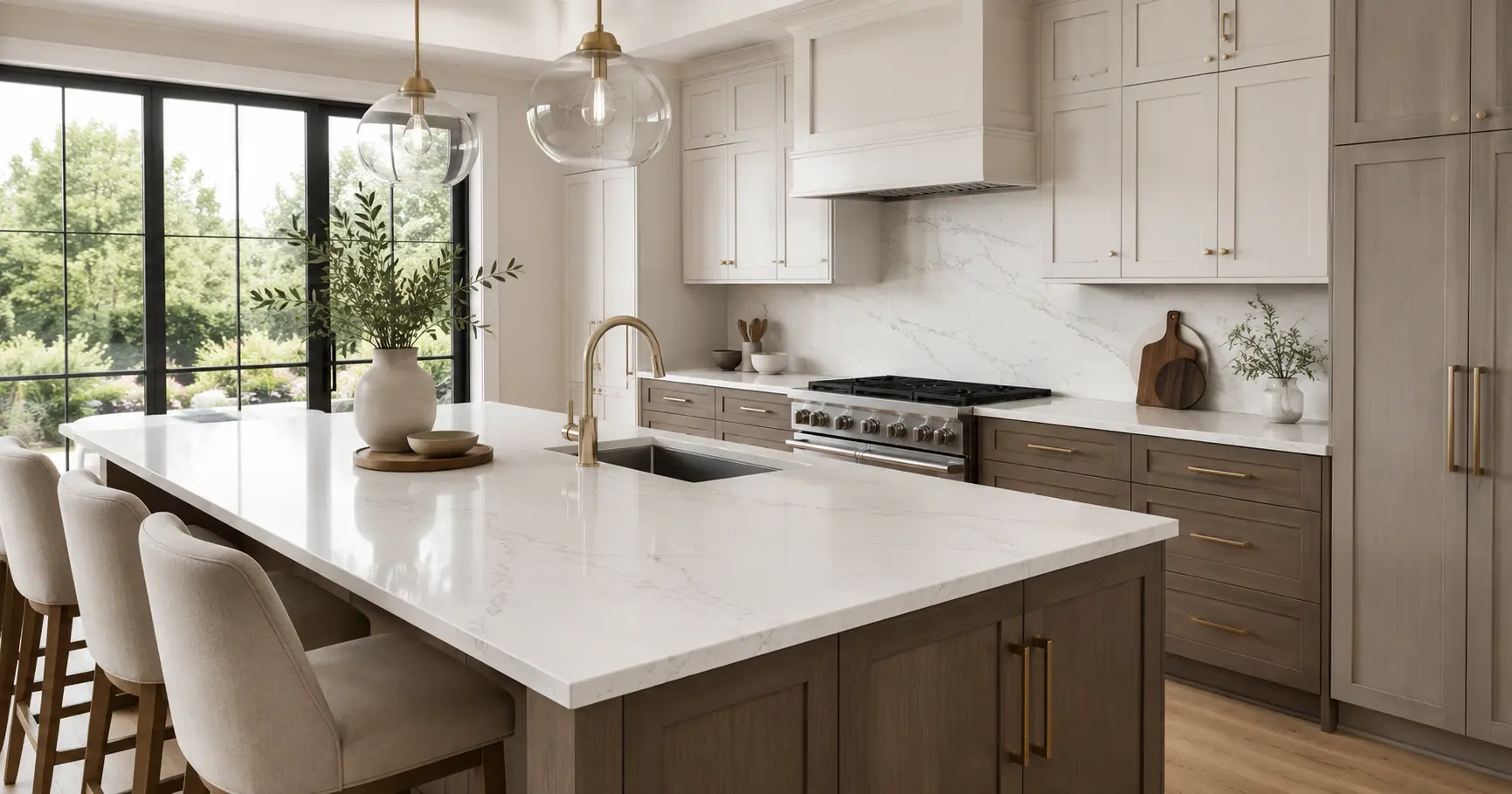
It also pairs well with a wide range of interior styles, from soft and minimal to bold and architectural. Whether you are designing a clean contemporary kitchen or a warm, layered bathroom, quartz offers versatility without sacrificing refinement.
That said, it helps to approach quartz with the right expectations. It is durable, not invincible. It is low maintenance, not no maintenance. And it performs best when paired with good fabrication, thoughtful slab selection, and everyday care.
Final Thoughts on Whether Quartz Stains, Cracks, or Burns
So, does quartz stain crack or burn? In real-world use, quartz is highly stain resistant, durable under everyday conditions, and beautifully suited for modern kitchens and bathrooms. But it can be damaged by extreme heat, hard impact, or poor care over time.
For homeowners narrowing down countertop materials, that balance is exactly what makes quartz so appealing. It offers a sophisticated look, dependable performance, and an easier maintenance routine than many alternatives. When chosen carefully and used well, quartz remains one of the most practical and design-conscious options in premium surfaces.
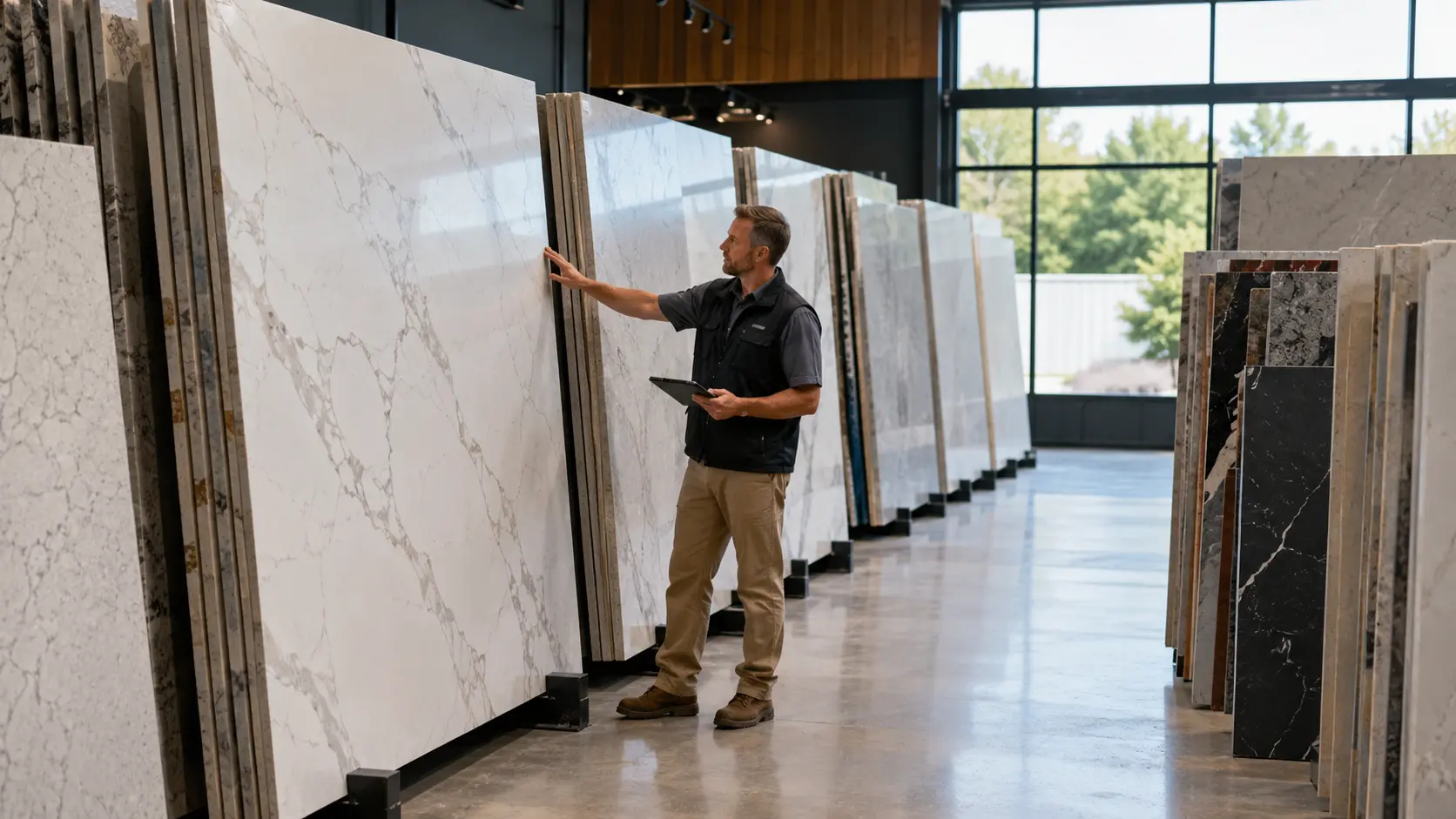
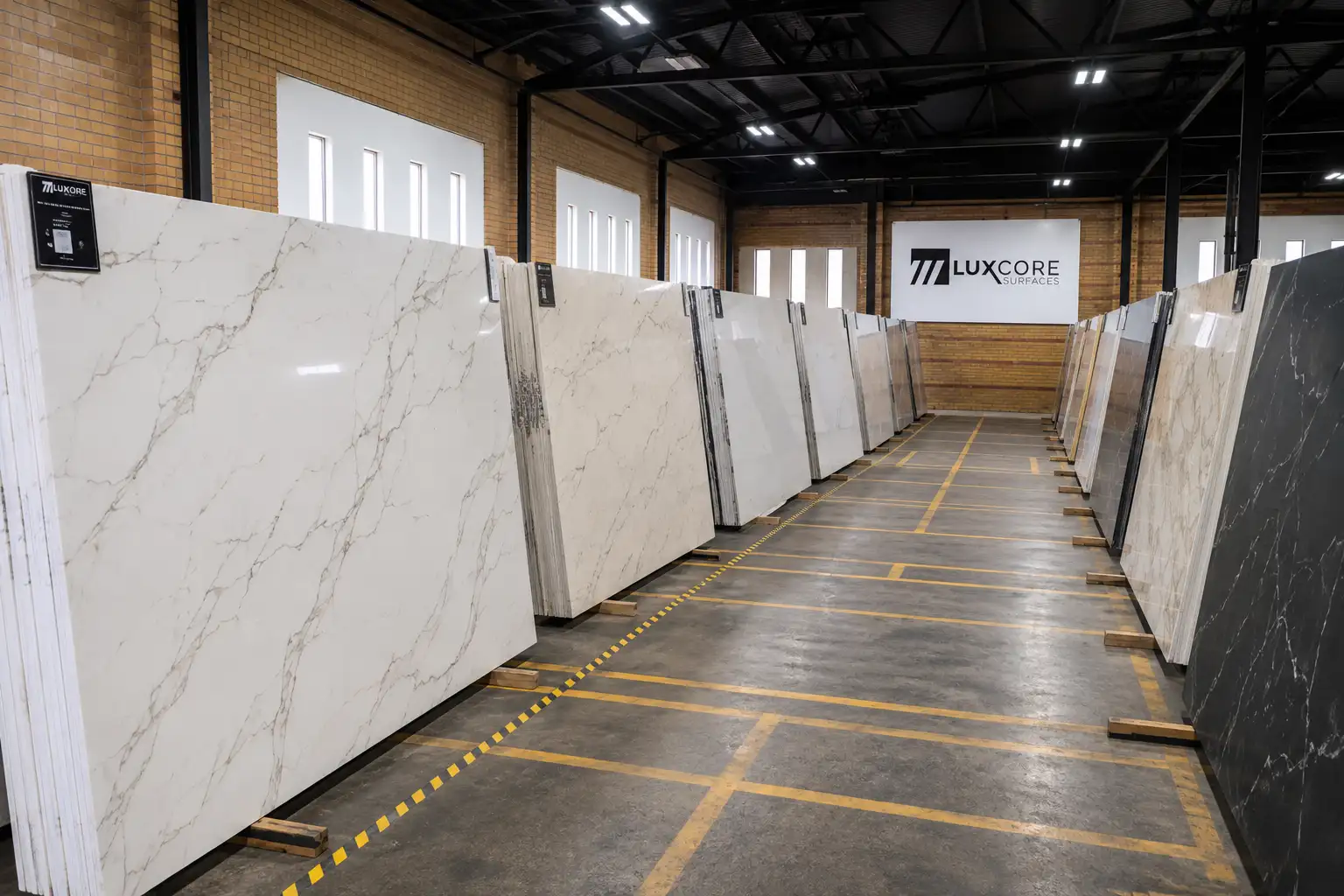
If you are exploring quartz for an upcoming project, LuxCore Surfaces offers a curated selection of premium slabs to help you find a surface that feels as beautiful as it is functional.